
Therapy & Insurance
Therapy for people who are ready for something different.
You will still be understood. But understanding is not where the work ends. Sessions focus on what is happening, what keeps getting in the way, and what you can begin practicing differently in your actual life.
Insurance-based therapy options available. Coverage depends on the actual service, clinical eligibility, medical necessity, your benefits, and your plan. We can help you verify benefits before you begin.
What this therapy is
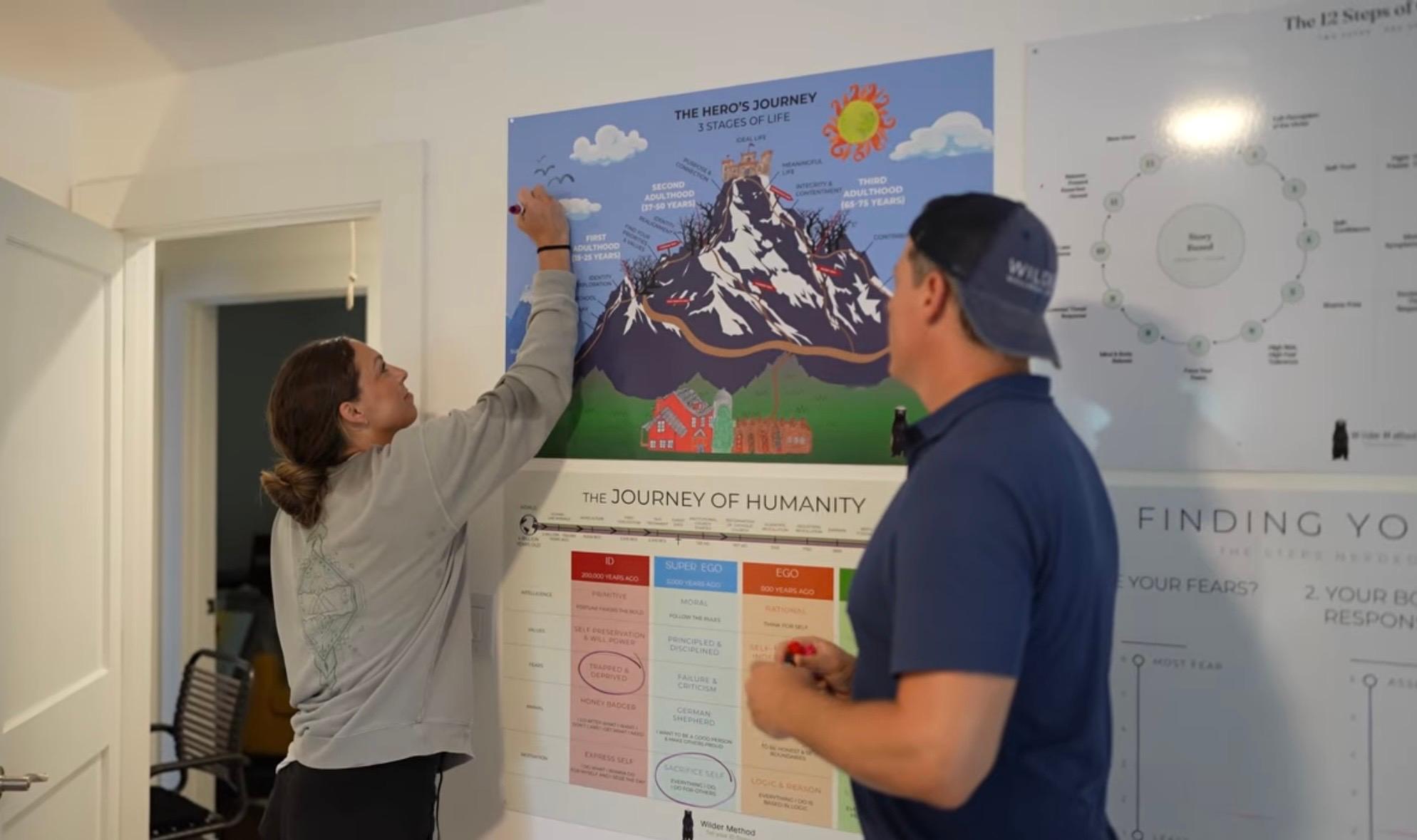
Bill uses a unique blend of empowering, visual, action-oriented, and tactile tools to help you find the courage that is already inside you.
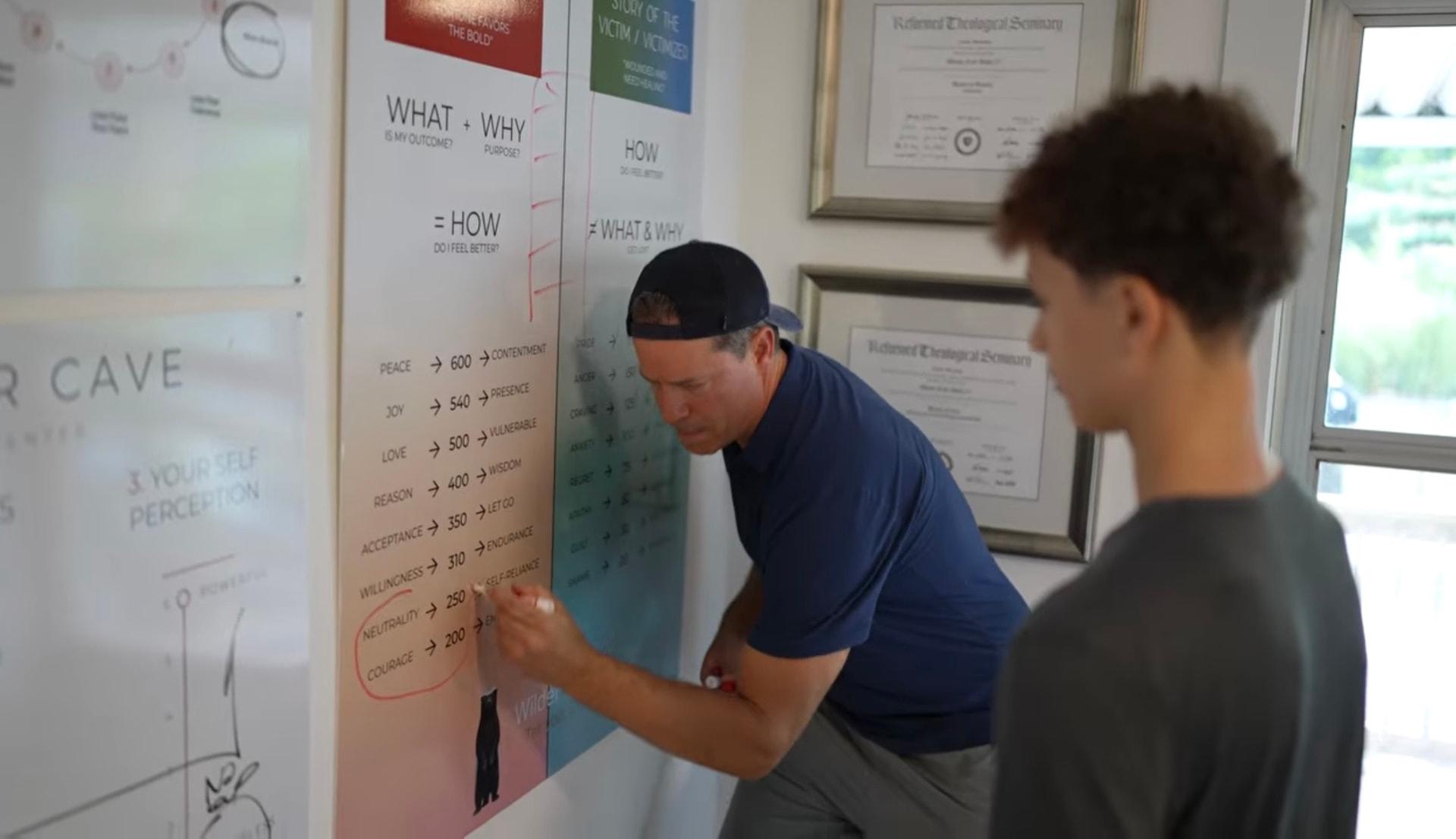
One of his special tools is visual archetypes. Through images, maps, and stories, he trains your body and mind to recognize patterns that thinking alone cannot reach. When you can see the story differently, you can begin to tell yourself a different one — and that is where movement starts.
The approach is narrative, cognitive-behavioral, and trauma-informed. It is eclectic in the service of one goal: helping you believe that you already have resources inside you, and that those resources can be put to work.
Bill’s background in Internal Family Systems (IFS) heavily influences his work, with one key difference. Where IFS often emphasizes self-leadership, Wilder Method also focuses on contacting the suppressed instinctual drive — the part of you that can act before it overthinks — and bringing it into the story through narration and practice.
This is not trauma therapy. It is trauma-informed, practical, and aimed at helping you move toward your goals instead of staying stuck in analysis.
What Bill helps with
Most people who reach out are thoughtful and capable — and stuck in one of these places.
Anxiety, Panic & Overthinking
Your mind won't slow down. You replay conversations, rehearse worst cases, and second-guess decisions you've already made.
- Panic that arrives without warning
- Racing thoughts and chronic worry
- Decision paralysis and fear of the wrong choice
- Physical symptoms — chest, stomach, sleep
Overthinking, Avoidance & Decision Paralysis
You analyze every option, rehearse every conversation, and postpone the decision that matters. Thinking has replaced doing.
- Replaying the same decision for weeks
- Postponing necessary conversations
- Reassurance-seeking that never settles
- Mental rehearsal instead of action
Boundaries, Codependency & Relationships
You're the reliable one. You notice what everyone else needs long before you notice what you need — and saying no costs you more than it should.
- Guilt after setting a limit
- People pleasing and quiet resentment
- Feeling responsible for other people's emotions
- Losing yourself inside a relationship
Life Transitions, Loss & Direction
Something changed — or is about to. The old version of your life doesn't fit anymore, and the next one hasn't taken shape yet.
- Divorce, separation, changing relationships
- Grief and loss
- Career change and burnout
- Kids leaving home, parenting young adults
Overcontrol, Self-Consciousness & Low Self-Trust
Responsible, capable, conscientious — and trapped inside your own rules. Control used to protect you. Now it runs your life.
- Perfectionism that slows everything down
- Monitoring how you come across
- Difficulty taking risks or being spontaneous
- Not trusting your own judgment
What sessions may include
You will not only talk about what happened. Together you’ll see the pattern on the board, decide what you’ll practice before next time, and come back to talk about what actually happened.
- Clinical conversation
- Visual mapping
- Identification of recurring patterns
- Assessment when appropriate
- Emotional-regulation work
- Clear treatment goals
- Practical experiments between sessions
- Review of what happened outside therapy
- Adjustment of the plan based on progress

Not sure where to start? Get a map first.
Assessment can help identify patterns, strengths, symptoms, and priorities. It may provide a clearer starting point, but it does not independently establish a diagnosis or replace clinical evaluation.
The Wilder Method Assessment is a standalone self-pay tool. Many clients take it before or alongside therapy. It’s never required.
Insurance, location, and availability
- Qualifying individual psychotherapy and clinical group psychotherapy may be submitted to insurance when the actual service, clinical diagnosis, medical necessity, treatment plan, eligibility, and payer requirements support reimbursement.
- Coverage and reimbursement are never guaranteed.
- Wilder Method assessments, Enter the Cave, cold immersion experiences, coaching, and other nonclinical experiential services are separate from psychotherapy and are not insurance-covered mental health treatment.
- Private-pay options are available. In-person appointments in Cornelius, NC; telehealth for appropriate clients located in North Carolina.
Contact the practice to verify the exact insurance plans accepted, current private-pay rates, telehealth availability, confirmed age ranges, and appointment availability.
Office
21223 Catawba Avenue, Cornelius, NC 28031
Verify your insurance and availability
Contact the practice to begin the insurance-verification process. You will receive instructions for securely providing the information needed to verify your benefits.
Begin Insurance VerificationPlease don’t send insurance-card images or sensitive personal information by ordinary email. Prefer to call? 704-912-4236
You don’t have to know exactly what kind of help you need.
Tell Bill what is happening and what you want to change. He will help you identify an appropriate first step.
Cornelius, North Carolina · Insurance-based therapy options available